
From Regularization to Citizenship: The Complete Timeline
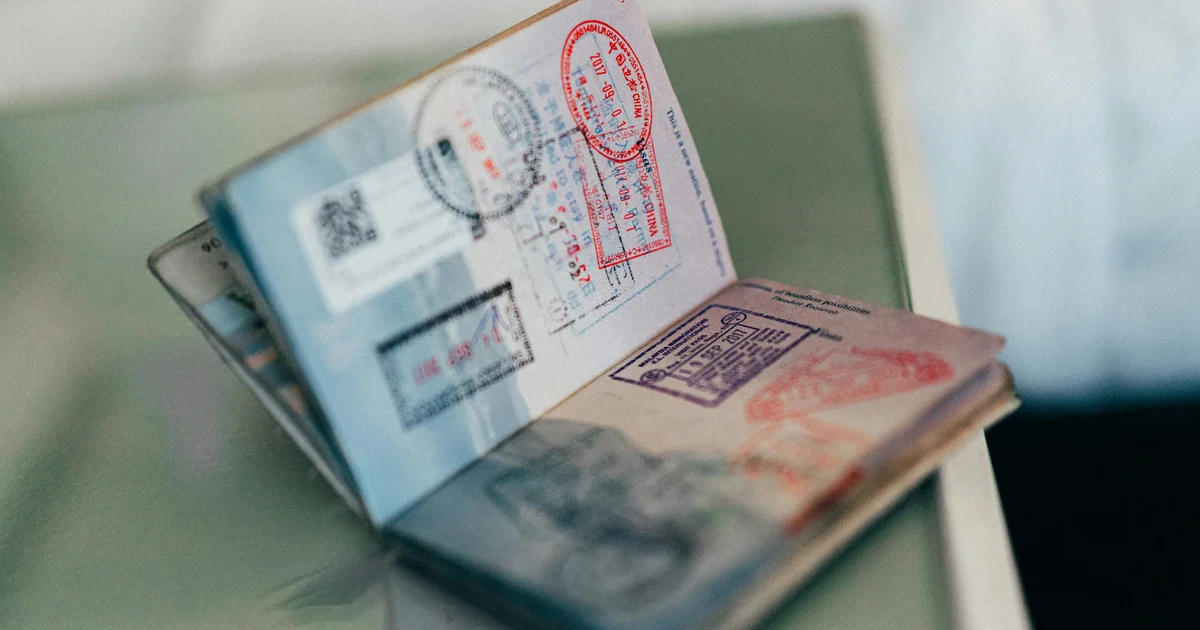
Photo by Kit (formerly ConvertKit) on Unsplash
The 2026 extraordinary regularization deadline was 30 June 2026. If you did not manage to apply, it is not the end of the road: check the alternative routes such as arraigo social and the different visa options to regularize your status in Spain.
Getting your arraigo authorization (for example, through the 2026 regularization process) isn't the finish line — it's the starting point. From that day on, a clock starts ticking that, over the years, can take you from your first permit to long-term residency and, eventually, to Spanish citizenship. This guide walks you through the full timeline, stage by stage, so you don't lose a single year along the way.
The timeline at a glance
Your journey has four major milestones. Each one builds on the last, and all the time you spend legally residing counts, even if you switch card types along the way:
1. Arraigo (year 1): your initial permit. You work and process your TIE.
2. Modification to residency and work authorization (art. 191 of RD 1155/2024): your second authorization, valid for up to 4 years depending on your situation.
3. Long-term residency (year 5): stable residency, with a card renewed every 5 years.
4. Citizenship by residency: depending on your origin, after 2, 1, or 10 years of legal residency.
| Stage | When? | What you get |
|---|---|---|
| Arraigo authorization | Year 1 | The right to live and work (as an employee and self-employed) anywhere in Spain |
| Modification to residency and work (art. 191) | When renewing after year 1 | Standard authorization valid for up to 4 years |
| Long-term residency | At year 5 | Stable, indefinite residency (card renewed every 5 years) |
| Spanish citizenship | 2 / 1 / 10 years depending on origin | Spanish passport |
Step by step, year by year
Year 1: your arraigo permit
Your initial arraigo authorization lasts 1 year and already lets you work as an employee or as self-employed, in any sector and anywhere in Spain. During this first year, you process your TIE (Foreigner Identity Card) within the month following approval, and you register with Social Security once you start working. This is the step that gets everything else moving.
The renewal: modification to residency and work
Before that first year expires, don't let it slip by: you apply for a modification to a standard residency and work authorization, governed by article 191 of RD 1155/2024 (the Immigration Regulation in force since May 20, 2025). This new authorization is usually granted for up to 4 years, although the exact length depends on your situation (for example, how long you'd already held an authorization that allowed you to work). With this renewal, you can also start the process to bring over your spouse and children through family reunification.
Year 5: long-term residency
Once you've accumulated 5 years of continuous legal residency, you can apply for long-term residency. This is a stable form of residency: you're still a foreign national, but your card now renews every 5 years and your status no longer depends on contracts or annual requirements. At this stage, you can also bring over your parents through family reunification. Keep in mind that reuniting with ascendants has its own requirements: they generally must be over 65 and you must already hold long-term resident status.
Citizenship
The final milestone is Spanish citizenship by residency, which you apply for through the Ministry of Justice. How many years of legal residency you need depends entirely on your origin (see the table below).
When can you apply for citizenship? It depends on your origin
Not everyone waits the same amount of time. The Civil Code sets very different timeframes depending on your nationality of origin:
| Your origin | Years of legal residency | Who qualifies |
|---|---|---|
| Reduced timeframe | 2 years | Nationals of Latin American countries, Andorra, the Philippines, Equatorial Guinea, and Portugal, as well as Sephardic Jews |
| Minimum timeframe | 1 year | People born in Spain; those married to a Spanish citizen (after 1 year of marriage); widows/widowers of a Spanish citizen; and other cases under art. 22 of the Civil Code |
| General rule | 10 years | All other nationalities |
The exams: CCSE and DELE A2
To get citizenship by residency, on top of meeting the time requirement, you have to pass two exams administered by the Instituto Cervantes:
- CCSE — the exam on Spain's constitutional and sociocultural knowledge. Everyone has to take it, no exceptions.
- DELE A2 — a Spanish language proficiency test. Here there is an exemption: if you're a national of a Spanish-speaking country by origin, you're exempt from the DELE A2 (but not from the CCSE).
The golden rule: when the clock starts and what breaks it
The flip side of this is continuity: your residency has to stay legal and uninterrupted. Two things can break it: letting a permit expire without renewing it on time, and extended absences from Spain. Always renew before the deadline, and keep your trips outside the country short and well documented.
Keep going
This guide is the map; each stage has its own in-depth guide:
- The complete starting point: Your regularization is approved: the next 7 steps.
- Both exams in detail: CCSE and DELE A2, the exams for Spanish citizenship.
- If you're from Latin America: dual citizenship with Spain (many countries let you keep your own).
- And in the meantime, work legally: job guides for caregiving, hospitality, construction, agriculture, cleaning, logistics, transport, and retail.
Your next step: write down the date your permit was granted. That's day 1 of your countdown to citizenship. Everything else builds on that date.
Frequently asked questions
When do the years for citizenship start counting? From the date your residency authorization is granted (your arraigo permit), not from when you arrived in Spain and not from your municipal registration. Years spent in an irregular situation don't count.
If I switch permits, do I lose the years I've already accumulated? No. Moving from arraigo to the standard art. 191 authorization doesn't break continuity: the clock keeps counting from the original grant date.
How many years do I need for citizenship? It depends on your origin: 2 years for nationals of Latin American countries, Andorra, the Philippines, Equatorial Guinea, Portugal, and Sephardic Jews; 1 year for those married to a Spanish citizen, widows/widowers, and people born in Spain; 10 years for everyone else.
Do I have to take both exams? Everyone takes the CCSE. Nationals of Spanish-speaking countries by origin are exempt from the DELE A2; Andorra, the Philippines, and Portugal are not Spanish-speaking countries, so their nationals do have to take it.
What is long-term residency and how is it different from citizenship? Long-term residency (at year 5) is a stable residence permit: you're still a foreign national. Citizenship gets you a Spanish passport. You can hold long-term residency while still counting years toward citizenship at the same time.
What can break the continuity of my residency? Letting a permit expire without renewing it on time, and extended absences from Spain. Renew before the deadline and keep your trips abroad short and well documented.