
Regularization 2026 for Venezuelans in Spain — Specific Guide
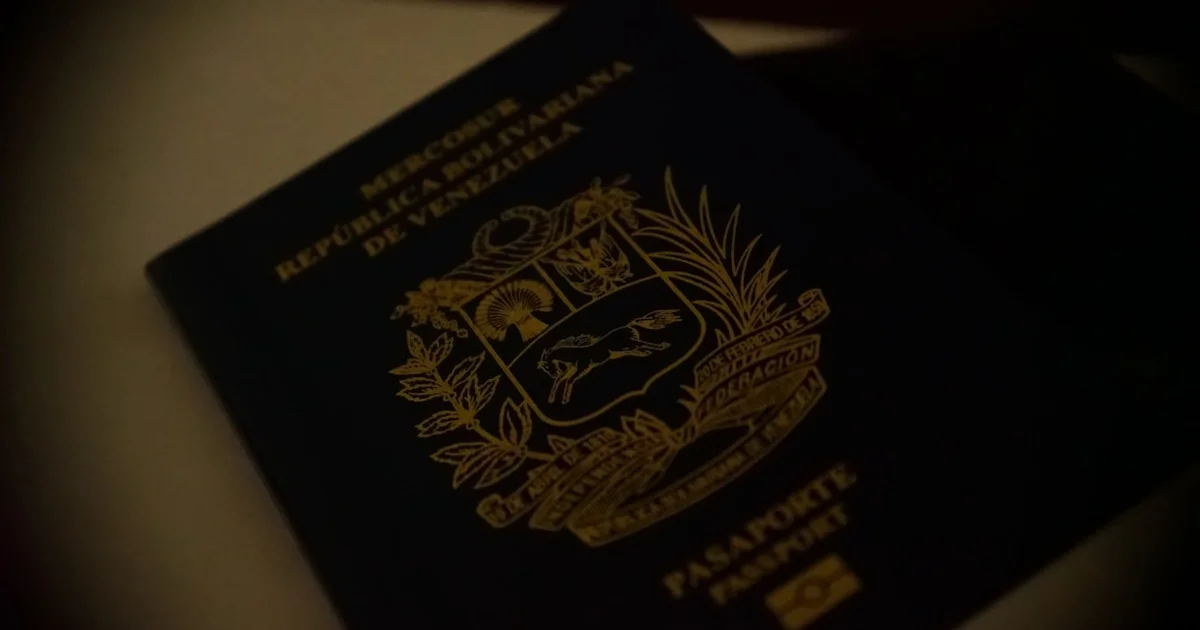
Photo by Jose G. Ortega Castro on Unsplash
The 2026 extraordinary regularization deadline was 30 June 2026. If you did not manage to apply, it is not the end of the road: check the alternative routes such as arraigo social and the different visa options to regularize your status in Spain.
2026 Regularization for Venezuelans in Spain — Specific Guide
If you're Venezuelan and you've been working without papers in Spain for a while, this year you have a real opportunity. It's not easy, but it exists. And you have exactly 5 months to get ready before June 30, 2026.
This guide is for you: the person who's been working for years in hospitality, caring for the elderly, or in construction, without a contract, without a NIE, without knowing where to start.
Why Venezuelans have a real advantage in this process
Venezuela is an Ibero-American country. That means that if you get residency, you only need 2 years to apply for Spanish nationality — not 10 like other countries. That changes the whole calculation.
On top of that, many Venezuelans have a pending asylum application. If that's your case, it gives you an administrative situation you can take advantage of right now, even if you still don't have a resolution.
Which route can you use to regularize your status?
Route 1 — Social roots (the most common)
You need to prove 3 years of residency in Spain and social ties. If you've been here that long, start gathering evidence now: rental contracts, bills, medical records, municipal registration (padrón).
The padrón is your first step. If you're not registered, do it this week. It's free and it won't cause you any trouble with immigration.
Route 2 — Work roots
If you have or have had work in Spain and can prove it, even if it was without a contract, this route may be faster. You need to demonstrate 6 months of a work relationship, even if it was informal.
Informal pay slips, WhatsApp messages with your employer, statements from co-workers — it all counts as evidence.
Route 3 — Pending asylum application (the easiest for many)
If you have an asylum application in progress, you already have documentation that identifies you in the system. For many Venezuelans, this is the most accessible way in.
The fee you need to pay: €38.28
The official amount is 38.28 euros. It's non-negotiable and mandatory to complete your application.
This is where many people unnecessarily complicate things for themselves.
How to pay without wasting time
The most practical option for many Venezuelans is Western Union or similar services. Some managers and organizations also help with payment using the official model 790 form.
Always keep your receipt. It's part of your file and without it your application will be incomplete.
What nobody tells you about the padrón and proving your roots
The municipal padrón is your best ally, but it's not enough on its own. Many Venezuelans register at a friend's or acquaintance's address — that's legal — but the town hall may ask for confirmation from the registered owner.
What really helps are bills in your name: electricity, water, phone, even streaming services if they're in your name and have years of history. Anything with a date and your name builds your case.
If you work in elderly care, ask the employer's family for a letter. If you work in hospitality, any document signed by your employer with a date will do. Don't wait for them to give it to you — ask for it now.
The real timeline: you have 5 months, use them well
January 2026: Get registered on the padrón if you haven't already. Gather all your proof of residency. Track down your employer for a letter or document.
February — March 2026: Gather the Venezuelan documents you need. A valid passport or one in the process of being renewed. A Venezuelan criminal record certificate with an apostille.
April 2026: Book an appointment at the immigration office. Appointments are scarce — don't leave it to the last minute. If you have a manager or lawyer, let them handle booking the appointment.
May — June 2026: Submit your application before June 30th, with all documentation complete and the fee paid.
Documents you need from Venezuela
This is the point where most Venezuelans get stuck. The country is in crisis and consular procedures are slow and expensive.
At a minimum, you need: a valid passport and an apostilled criminal record certificate. If your passport has expired, the Venezuelan Consulate in Spain can renew it — there's a wait, but it works.
For the criminal record certificate, you can arrange it through family members in Venezuela or through specialized online agencies. Getting it apostilled in Venezuela takes time — start now.
Is it worth paying a manager?
Yes, if they're trustworthy. No, if they're just going to charge you for filling out a form you could do yourself.
What does justify paying for is: getting an appointment at the immigration office, checking that your documentation is complete, and having someone with you if there's a problem with your file. That's worth paying for.
What you shouldn't pay for is someone "selling" you a guaranteed regularization or asking for money upfront without a written contract. That's a scam.
Look for migrant support organizations: CEAR, Accem, Cruz Roja, and many Venezuelan associations in Madrid, Barcelona, and Valencia offer free or low-cost advice.
Your next step
This week, do just one thing: check whether you're registered on the padrón. If you're not, book an appointment at your town hall and get registered. It's free, it's quick, and it's the foundation of everything else.
If you're already on the padrón, the next step is to call a migrant support organization and book a free advice appointment to review your specific case. Every situation is different and deserves individual attention.
You have 5 months. Start today.