
Regularization 2026 for Cubans in Spain — What You Need to Know
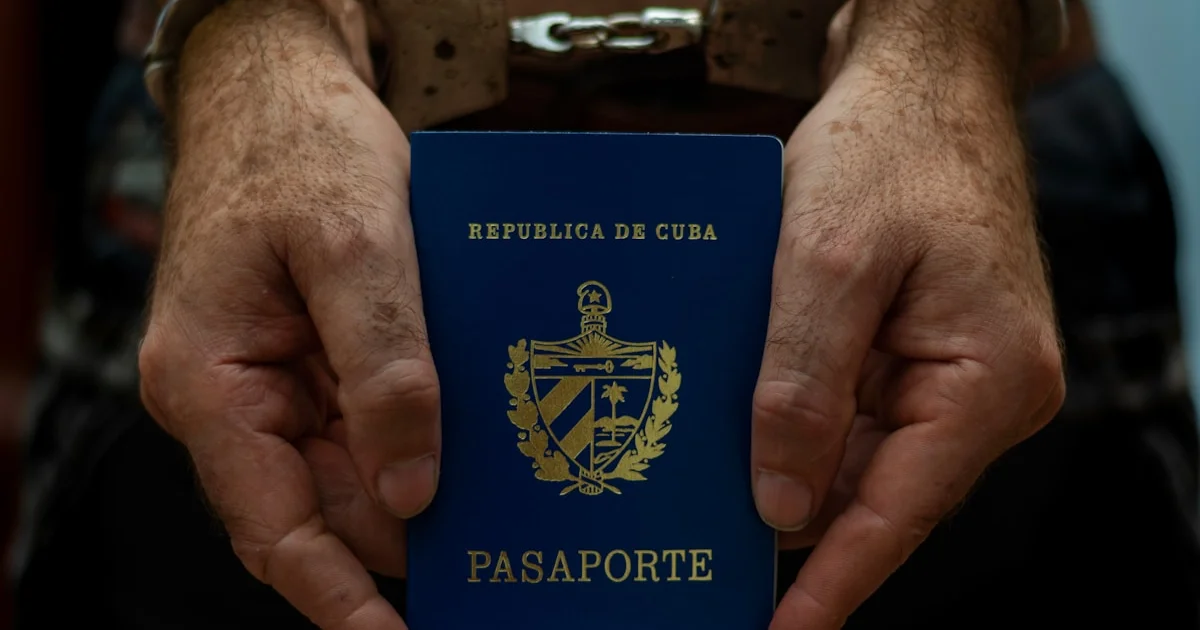
Photo by Ricardo IV Tamayo on Unsplash
The 2026 extraordinary regularization deadline was 30 June 2026. If you did not manage to apply, it is not the end of the road: check the alternative routes such as arraigo social and the different visa options to regularize your status in Spain.
2026 Regularization for Cubans in Spain — What You Need to Know
If you're Cuban, you've been in Spain for a while, and you have an unresolved asylum application, there's some news that could change your situation this year. The Government has opened a direct regularization pathway designed, in part, for people in exactly your position. You have until June 30, 2026 to take advantage of it.
Here I'll explain everything straight up: what you need, what obstacles you might run into, and how to overcome them.
Why do Cubans have a real opportunity right now?
There are 45,000 to 55,000 unresolved asylum cases in Spain. Many of them belong to Cubans who applied for international protection and have been waiting months or years for an answer that never comes.
That wait, which seemed like a dead end, now becomes your biggest advantage. The new regularization acknowledges that situation and gives you a concrete legal way out.
The numbers you need to know
€38.28 — that's what the fee for this application costs. Compared to other regularization processes, it's a very affordable amount.
5 months — that's the estimated processing time once you submit your file correctly.
June 30, 2026 — the deadline to submit your application. Don't leave it until the last minute.
The documents: what Spain requires and how to handle it as a Cuban
This is the point where most Cubans get stuck. Let's go through it piece by piece.
The passport
You need it to be valid or in the process of being renewed. If you have doubts about renewing it at the Cuban consulate in Spain, check with a support organization before going, since every personal situation is different.
The Cuban criminal record certificate
This is the document the Cuban community worries about most. Cuba doesn't always cooperate with these requests, and getting a criminal record certificate can be very difficult or outright impossible.
The Hague Apostille
Cuba is not part of the Hague Convention, which means its official documents normally can't be apostilled. In other processes, this is a serious problem.
For this specific regularization, you don't need an apostille on Cuban documents. That's a real advantage over citizens of other countries who do have to apostille their paperwork.
The most common trap you need to avoid
If you're in Galicia: the Cuban community has specific support
Galicia has a Cuban community with history and roots. You're not alone in this process.
The Xunta de Galicia has immigrant assistance programs that include legal guidance, support with administrative procedures, and in some cases, financial help to cover costs in the regularization process.
Get in touch with the social services at your local council or with immigrant associations in your city. In A Coruña, Vigo, or Santiago you'll find assistance points where they can review your specific case at no cost.
The process step by step
Step 1 — Confirm that your asylum application was registered before December 31, 2025. If you're not sure of the date, request a copy of your asylum documentation. That paper is your starting point.
Step 2 — Gather your basic documentation: passport, documentation from your asylum application, up-to-date proof of registration (empadronamiento), and any evidence of your time in Spain (contracts, receipts, dated photos).
Step 3 — Request your Cuban criminal record even if you think they won't give it to you. Do it in writing and keep the proof. That step activates the mechanism that allows you to move forward without it if it doesn't arrive within a month.
Step 4 — Prepare the application form with the help of a professional or a support organization. A mistake on the form can delay your file by months.
Step 5 — Pay the €38.28 fee and submit everything before June 30, 2026. Keep all your proof of submission.
What do you get if the process goes well?
A residence authorization that allows you to be in Spain legally. Depending on your situation, it may also include work authorization.
That means access to a standard employment contract, opening bank accounts without hassle, full access to the healthcare system, and the possibility of starting the path toward a more stable long-term situation.
It's not the permanent solution forever, but it's the step that opens all the other doors.
A final warning about deadlines
June 30, 2026 seems far away but it isn't. Consular procedures, gathering documentation, and appointments with support organizations take weeks. If you start in May, you might not make it in time.
Your next step
This week, find and photocopy your asylum application documentation to confirm the submission date. If it's before December 31, 2025, call an organization like the Red Cross, Cáritas, or the Jesuit Migrant Service in your city tomorrow and ask for a free advice appointment. That's the only step you need to take today.