
Bringing Your Pet to Spain from Latin America: Real Requirements and Deadlines 2026
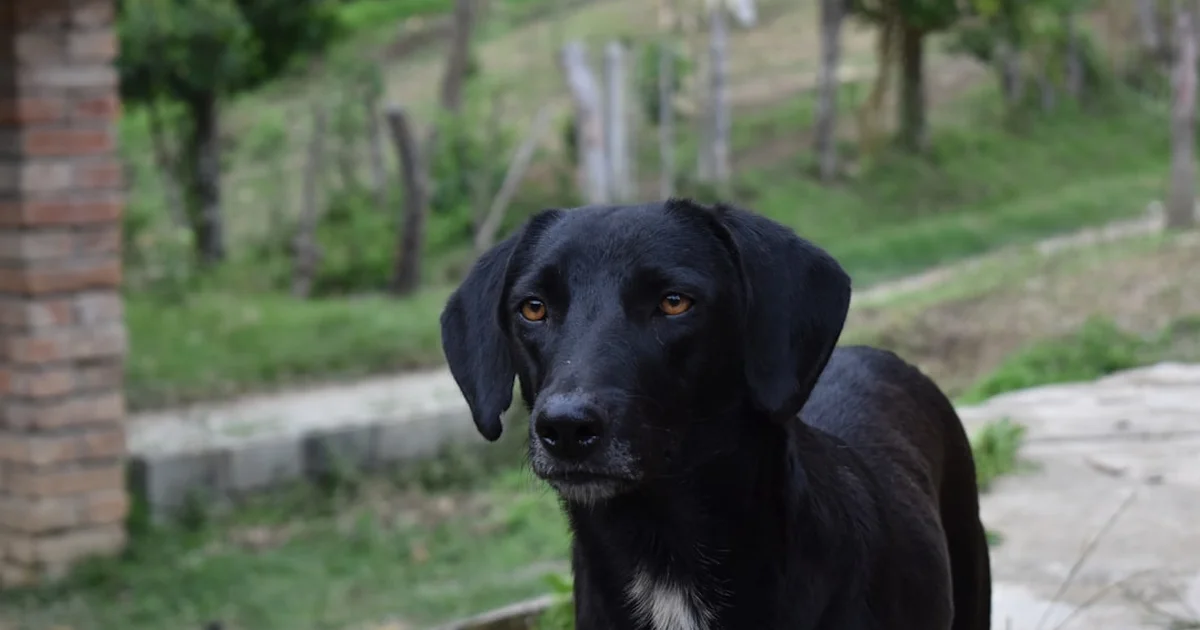
Photo by Leidy Graciano on Unsplash
Regulatory change on April 22, 2026: Regulation (EU) 576/2013 and its Implementing Regulation (EU) 577/2013 — the rules that used to govern pet entry into the EU — have been replaced. The animal health requirements are now set by Delegated Regulation (EU) 2026/131, the third-country lists by Implementing Regulation (EU) 2026/636, and the certificate templates by Implementing Regulation (EU) 2026/705. All three have applied across the EU, including Spain, since April 22, 2026.
First things first: which country are you leaving from, not which continent?
Lumping every Latin American country together is exactly why so many people miscalculate their timelines and end up at the airport without the right paperwork. What actually matters isn't "are you from Latin America, yes or no" — it's which rabies-risk list your specific country falls under according to Implementing Regulation (EU) 2026/636.
There are three possible groups. Only two of them include Latin American countries.
Annex I: basically no Latin American country is here
Annex I is the group with the most favorable treatment (entry without a mandatory designated entry point). It's made up of Andorra, Switzerland, the Faroe Islands, Gibraltar, Greenland, Iceland, Liechtenstein, Monaco, San Marino, and the Vatican. No Latin American country is in this group, so if you're traveling from Latin America, this one doesn't apply to you.
Annex II: the Latin American countries with a lighter process (no blood test)
Several Latin American and Caribbean countries and territories do fall under Annex II of Regulation (EU) 2026/636. For them, the rabies antibody titration (blood) test is not required. The sovereign countries are:
- Argentina
- Chile
- Mexico
And these Caribbean territories, which get the same treatment:
- Antigua and Barbuda
- Aruba
- Barbados
- Bonaire, Sint Eustatius and Saba
- Curaçao
- Cayman Islands
- Jamaica
- Montserrat
- Saint Kitts and Nevis
- Sint Maarten
- Saint Lucia
- Saint Vincent and the Grenadines
- Trinidad and Tobago
- British Virgin Islands
If your pet is traveling from any of these places, you skip the blood test and the months-long wait that comes with it. But heads up: you still need to enter through a designated travelers' point of entry, just like every other country outside Annex I.
The rest of Latin America: unlisted country, long process
If your country isn't on either of the lists above, it falls into the "unlisted" group. This covers the vast majority of the region: Colombia, Peru, Ecuador, Venezuela, Bolivia, Brazil, Uruguay, Paraguay, plus all of Central America and the rest of the Spanish-speaking Caribbean, among others. For this group, on top of the microchip, vaccine, and certificate, you also need the rabies antibody titration test.
Requirements comparison
| Requirement | Annex II country (Argentina, Chile, Mexico, listed Caribbean) | Unlisted country (rest of the region) |
|---|---|---|
| ISO 11784/11785 microchip | Required | Required |
| Rabies vaccine | Required, valid from 21 days after the initial vaccination | Required, valid from 21 days after the initial vaccination |
| Blood test (≥0.5 IU/ml) | Not required | Required |
| Waiting period after blood draw | None | 3 months (90 days) |
| Official health certificate | Required | Required |
| Entry through designated point | Required | Required |
The requirements that stay the same no matter where you're coming from
- Microchip: ISO 11784/11785 microchip identification (or a tattoo, but only if it was applied before July 3, 2011 and is still legible), placed before the vaccine.
- Rabies vaccine: your pet must be at least 12 weeks old at the time of the first dose, and the vaccine is considered valid starting 21 days later.
- Official health certificate: signed by an official veterinarian in the country of origin, following the template set out in Implementing Regulation (EU) 2026/705, and it must be submitted in Spanish.
- Designated entry point: unless you're coming from an Annex I country, your pet must enter through an airport or border post authorized for companion animal checks.
How long does this actually take? It depends on where you're starting from. If your pet already had a current, valid rabies vaccine before you began the process, and is coming from an Annex II country, things can be wrapped up in a matter of days — all that's left is the certificate and booking the flight. If your pet is coming from an unlisted country and was already vaccinated, plan on a minimum of 4 months: 30 days from the vaccine before blood can be drawn, plus a 3-month wait after the draw. If you're starting from scratch with an unvaccinated puppy, add in the minimum 12 weeks of age needed for the first vaccine too — the total then runs to around 7 months. Both figures are correct — they just apply to different starting points, so the key is knowing which one is yours.
Your next step
Before you buy the ticket, do two things today. First, check which group your specific country falls into (Annex II or unlisted) by calling a veterinarian authorized by Spain's Ministry of Agriculture, Fisheries and Food (MAPA) in your home country, or by checking the official list in Regulation (EU) 2026/636. Second, if your pet doesn't yet have a microchip and a current rabies vaccine, book a vet appointment this week — that's the step that starts the clock on all the other timelines, and it can't be sped up later.