
Documents to take with you when emigrating to Spain (that you won't be able to get afterwards)
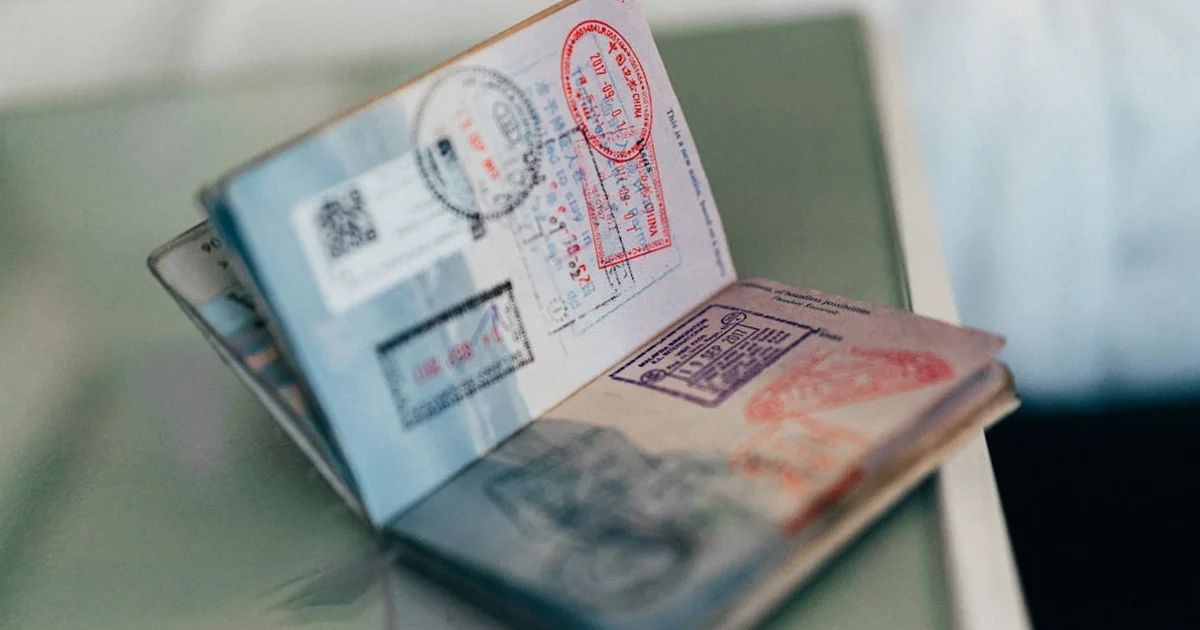
Photo by Kit (formerly ConvertKit) on Unsplash
Important correction: Cuba is not part of the 1961 Hague Convention. According to the official HCCH table of contracting states, Cuba does not appear as a contracting party to the Apostille Convention. That means no Cuban document gets apostilled: it gets legalized through consular channels instead. Venezuela, on the other hand, has been part of the convention since March 16, 1999, so regular apostilles work fine there. If you'd heard that "an apostille from Cuba takes 4 months," forget it: there's no apostille to process in Cuba at all, there's legalization, and it's a different, longer process.
There's a mistake almost everyone makes when moving to Spain: leaving home with digital copies or photocopies when you actually need apostilled (or legalized, depending on the country) originals. You realize it the day you go to get your degree recognized, apply for a driver's license, or sign a rental contract. And that's when the trouble starts.
Getting an official document from your home country while you're in Spain can take anywhere from 2 to 6 months. Sometimes longer. And it comes with costs — paperwork agencies, express shipping, fees — that nobody warns you about ahead of time. This guide is the list we wish someone had handed us before packing the suitcase.
The most expensive mistake you can make
Leaving without your documents apostilled or legalized, thinking "I'll just sort it out from over there." In countries with a smooth apostille process (most of Latin America), handling it remotely can take anywhere from 6 weeks to 3 months, and the costs in paperwork agencies and courier fees can easily top €150-200. In countries where there's no apostille and you need consular legalization instead — like Cuba — you need to be physically present or have someone with power of attorney act for you, and timelines stretch out further because two administrations get involved one after another: the Ministry of Foreign Affairs in your home country, and then the Spanish consulate.
What nobody tells you is that Spain doesn't accept photocopies for most immigration procedures. They need the original, or a certified copy, with an apostille or diplomatic legalization. Without that, there's no process to even start.
Apostille or consular legalization: they're not the same thing
This is the first thing you need to figure out about your country, before anything else: if your country signed the 1961 Hague Convention, your documents get apostilled (one stamp, one procedure). If it didn't sign — or stopped applying it, as is the case with Cuba — your documents need consular legalization instead: first they get certified by the relevant ministry in your country, and then the Spanish consulate for that district certifies them again. It's a process with more steps, more appointments, and usually, more time.
| Apostille | Consular legalization | |
|---|---|---|
| When does it apply? | Country that signed the 1961 Hague Convention | Non-signing country (e.g., Cuba) or convention doesn't apply |
| Steps | One stamp from the competent authority in the issuing country | Certification from the home ministry + legalization at the Spanish consulate |
| Where to request it | In your country, before traveling (or through someone with power of attorney) | In your country, and afterward at the relevant Spanish consulate |
| Typical timeline | Weeks to a few months depending on the country | Months, due to the double administrative process |
Cuba's case illustrates this well: the consular services page of the Spanish Consulate General in Havana confirms that Cuban documents are legalized, not apostilled. If your country isn't on the HCCH list, assume you're in for this longer route, and book your consular appointment with plenty of lead time.
Before you leave, check your specific case: look up the official HCCH table of signatory countries for your country's name. Don't trust third-party lists or whatever a paperwork agency tells you — that official table is the source to rely on.
The documents you absolutely must bring
1. Original birth certificate, apostilled or legalized. It's the most requested document, and the one most people forget to bring in original form. You'll need it for family reunification, Spanish citizenship, civil registry registration, and consular procedures. It has to be the long-form version (with your parents' details), recent, and carrying the proper stamp. Bring at least two originals: some procedures keep the document and don't give it back.
2. University or vocational training degrees, in original form. To get a degree recognized (homologado) in Spain, you'll pay a €166.50 fee (form 790, code 107), according to Spain's Ministry of Universities. The legal resolution period is 6 months, but in practice it usually runs a lot longer, especially for regulated healthcare professions. To even open the file, you need the original apostilled or legalized degree from day one — without it, your application isn't even accepted for processing.
3. Criminal background check from your country. You'll be asked for this for most residency and work permits, and it's only valid for a limited time from its issue date, so don't get it done too far ahead of your trip.
4. Marriage or divorce certificate, if applicable. You'll need it for joint municipal registration (empadronamiento), family reunification, or any procedure where your marital status matters.
5. Medical history and vaccination record. It's not an immigration requirement, but it saves you from repeating tests and makes it easier to register with the public healthcare system or a private insurer if you don't have public coverage yet.
6. Original driver's license, with its translation. You can keep driving for a limited time on your home country's license, but to exchange it for a Spanish one you need the original and, in many cases, a certified translation. Requesting a duplicate remotely from Spain adds months to the process.
Certified translation: apostilling or legalizing a document isn't enough if it's not in Spanish. For most procedures you'll also need a certified (sworn) translation, done by an authorized translator. You can arrange this in your home country or once you're already in Spain — check the list of sworn translators-interpreters recognized by Spain's Ministry of Foreign Affairs.
Your next step
Before you close that suitcase, go to the official HCCH table and check whether your country is among the Hague Convention signatories. If it is, book an appointment to apostille your birth certificate, degrees, and criminal background check before you travel. If it isn't — like Cuba — book your consular legalization appointment weeks in advance, since the process goes through your home ministry first and then the Spanish consulate. Either way, leave your country with at least two originals of each document: it's the difference between wrapping up a procedure in Spain in a matter of weeks, versus spending months waiting on a paper you can no longer request in person.